Holiday Reads for Victoria Urbanists
It’s getting down to the last few days before Christmas. I think (hope) I have done all my shopping for everyone in my life, though there will still be lots of food and drink to buy over the next couple of weeks. Each year I do try to write at least one article with a holiday theme. Sometimes it is about shop windows, sometimes a favourite holiday recipe, and sometimes, like today, a little helping guide on some good gift ideas, for yourself or another urbanist in your life. While I could be quite self-serving and just write a whole article on some of the items for sale in my store, I think that might get a bit boring for all of you. Instead, I thought I could share some of the great books I have been gifted in the last year that might interest some of you or someone in your life. Every Christmas, Father’s Day, and birthday, I pretty much ask for the same thing, a bunch of books. The books here are pretty urbanism focused, however my list is much more varied. I thought that given the majority of my site content is on urbanism, maybe I would share the best ones that fall on or near that genre. I have come up with five that I would recommend as a great read. Have a look and if you are needing that one last item for someone or you want something to enjoy during the holidays, these options will not disappoint.
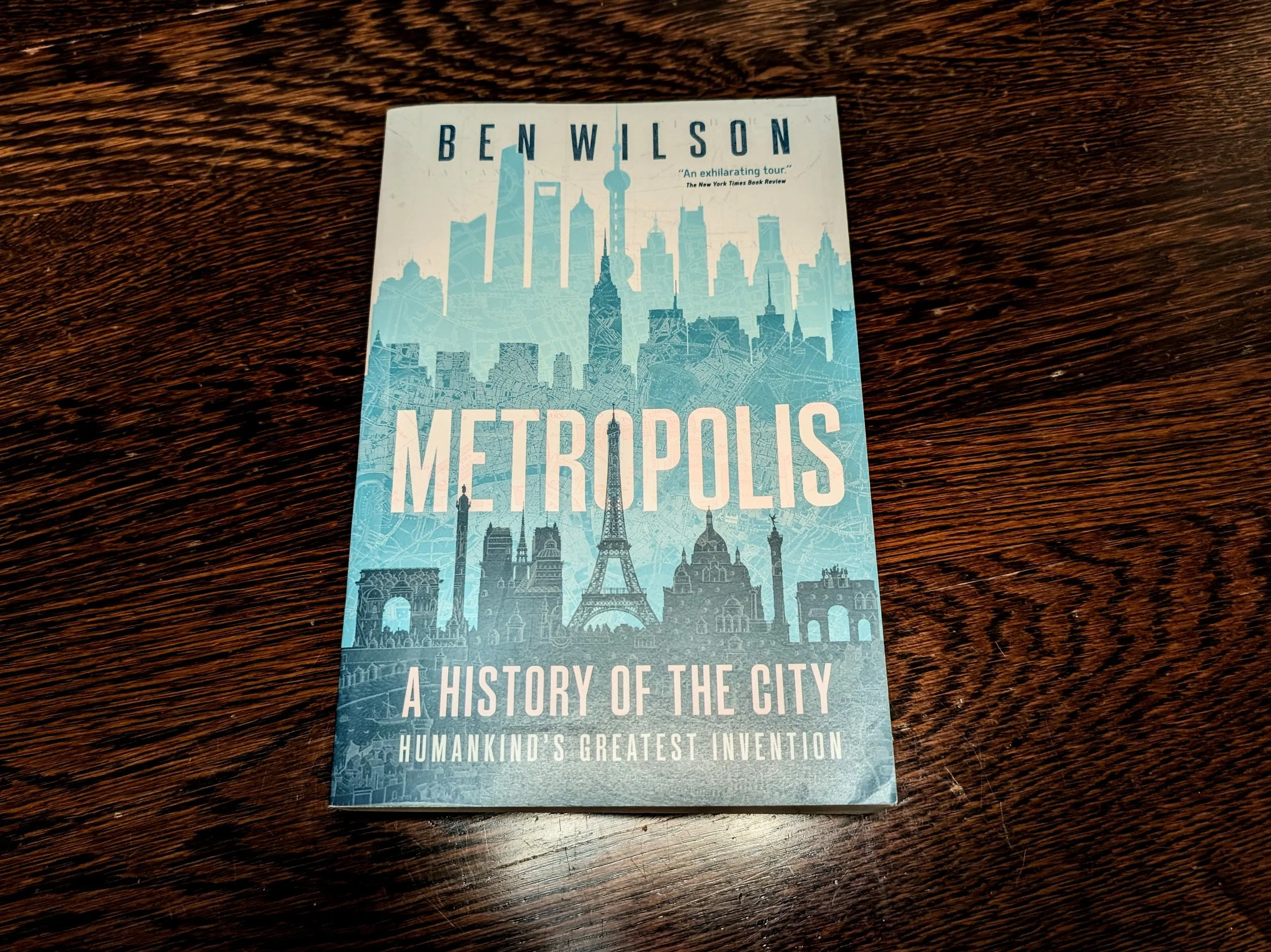
Metropolis - Ben Wilson
I have laid out this list in the order I read them and not in any sort of ranking. Not that Metropolis couldn’t easily be at the top of a list of good books on cities. This book is a few years old but given that it is looking at the history of cities going back to Uruk, it is not going to be out of date any time soon. Written by Ben Wilson, this book talks about the good and bad of human urbanization and covers a lot of ground in a really enveloping way. The part I appreciated the most was the discussion of the linkage between cities and creativity, since the city allowed for individual specialization. Though as comes out in the book, a key part is ensuring that a broad breadth of people need to be able to afford to live there to maintain that creative engine. While it may be preaching to the converted here, reading about cities as places to emulate to help humans and the environment is refreshing. I would highly recommend this great book on cities.
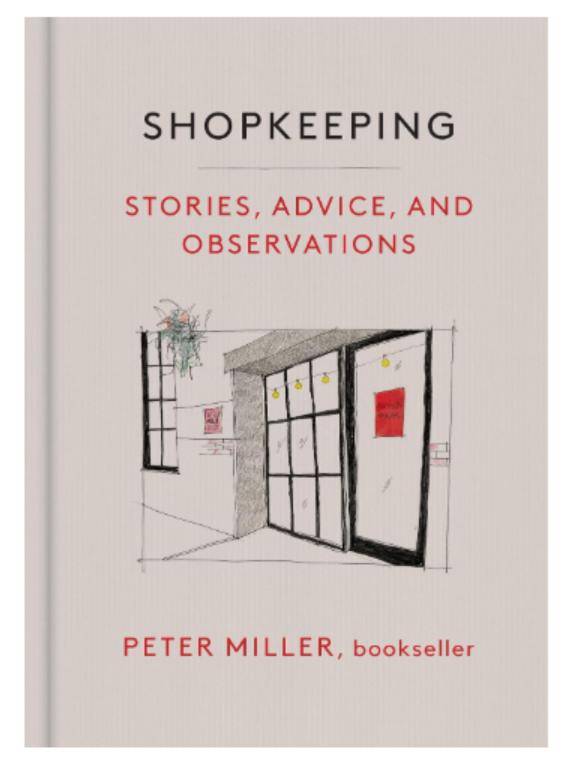
Shopkeeping - Peter Miller
This is a really special book. And also likely the hardest to find before Christmas in Victoria. Shopkeeping was written by Peter Miller who owns Peter Miller Books in Seattle. An amazing architecture and design bookstore in downtown Seattle which is as immaculate and thoughtfully laid out as the author indicates in his book (I have been there, just not in its current location and form). What Miller talks about in this book is more philosophy than advice on running a store. The books tells you what Miller thinks are the key components to a successful store and from reading the book he seems to know what he is talking about as he has been in business since the 1970’s. As you may know from reading the blog, I do have a real passion for a good, interesting store, and reading this book really emphasized a few of the reasons that I feel that way. Even if you never plan to open a store, I highly recommend this book. I ordered my copy direct from Peter Miller Books in Seattle, mostly because of his feelings about Amazon, though I believe the book is available there and I know that Munro’s does sometimes have it in, as I have seen it there.
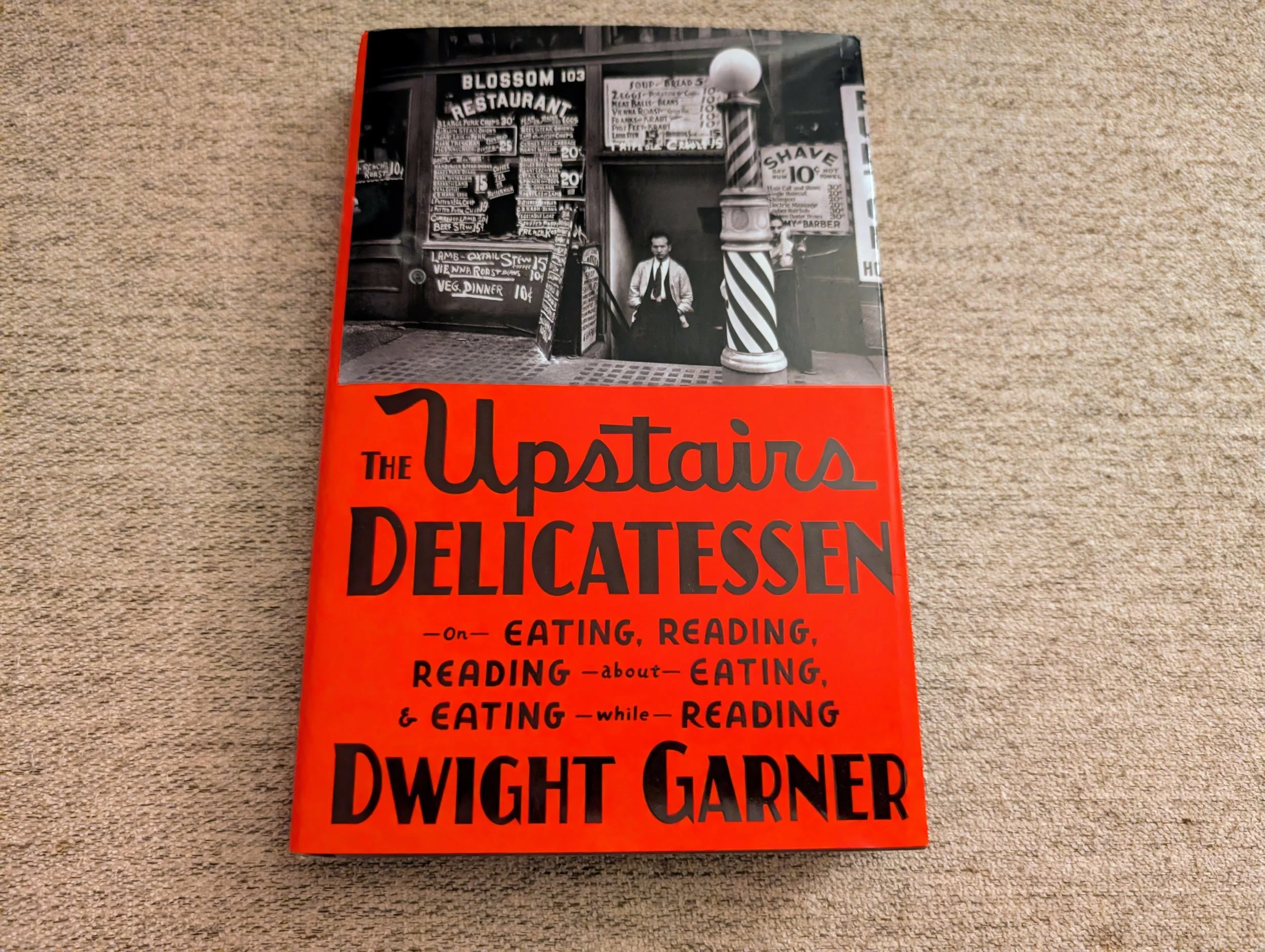
The Upstairs Delicatessen - Dwight Garner
This amazing book by Dwight Garner really caught me by surprise. Garner is a book critic for the New York Times. He also loves to eat. The book is just a litany of stories about food and his work in New York and a few other places. What I loved about it was how the city plays such an integral role in the book without being called out specifically. It is just there in the background throughout. It is not a novel, more a series of short anecdotes and it can be read in short burst because of that. So while not truly a book about urbanism, I still highly recommend it. The way Garner writes is a delight and many of his stories are quite funny. Just a truly delightful read. I have seen this book in quite a few places so I expect it would be pretty easy to find.
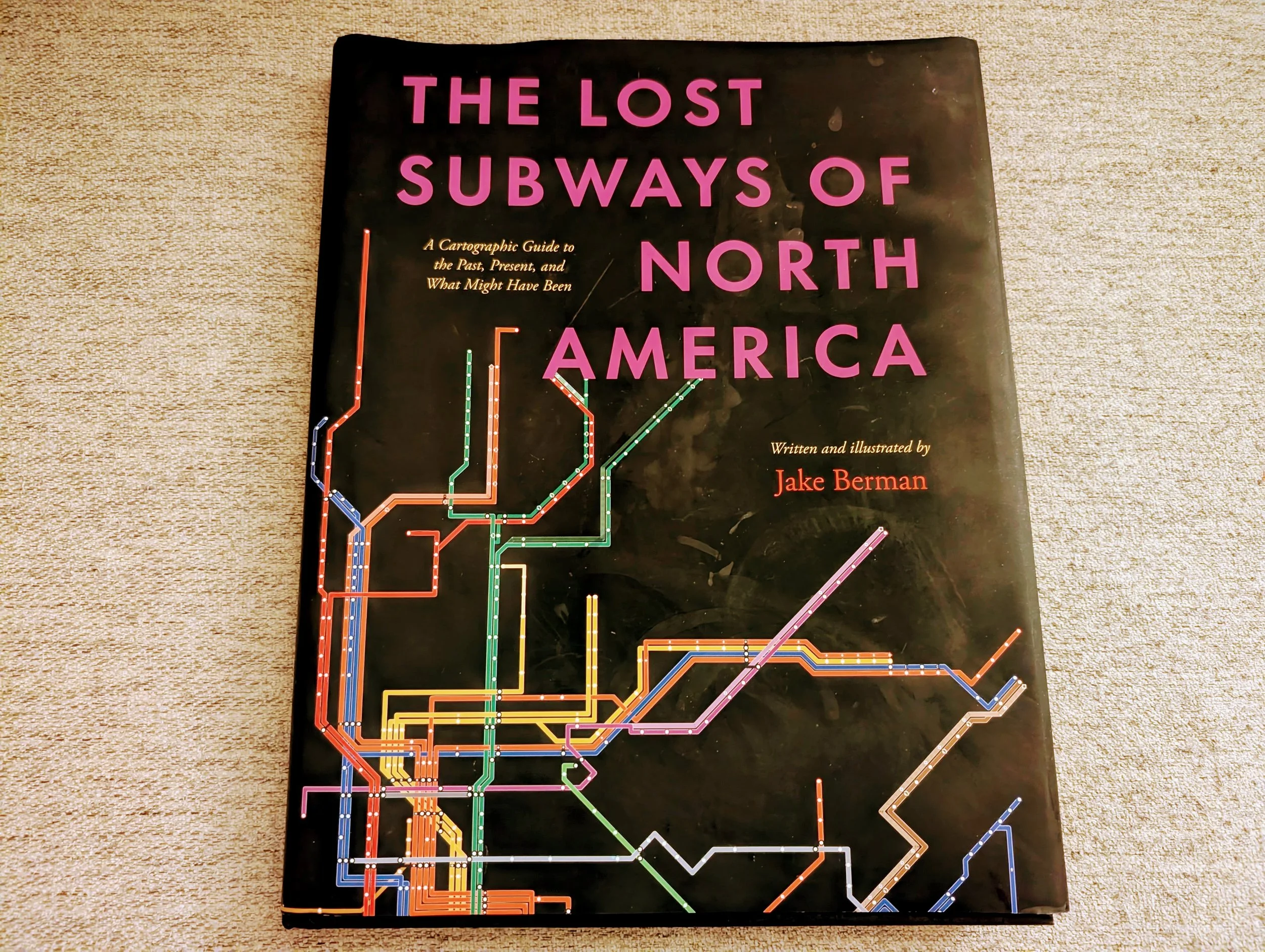
The Lost Subways of North America - Jake Berman
I heard about this book through a couple of different podcasts, where it was referenced. The title was so interesting that I had to get a copy. It was pretty hard to find at the time, though I think it has risen in popularity since then. I did see a copy in Alphabet City Books, the pop-up bookstore inside the Pandora Habit coffee shop last week. Despite the evocative title, what Jake Berman has written is not about a bunch of secret underground tunnels that have gone unnoticed since the closing of a subway, though I there is at least one story in there that has an element of that. Instead, the book is focused on how North America went from a place dominated by rapid transit, to one where most large cities have only a very basic rapid transit system at all. The book is laid out city by city and is told both in words and maps. Each one starts with how their streetcar and interurban lines were set-up; what happened during the transition to buses; and then to late 20th century rapid transit. I really enjoyed this book. Three Canadian cities get mentioned (Montreal, Toronto and Vancouver). And Vancouver gets some pretty high praise for its current state rapid transit. This is a big book and almost more of an urbanist coffee table one, but also enjoyable to read, though sometimes also painful with all of the missed opportunities.
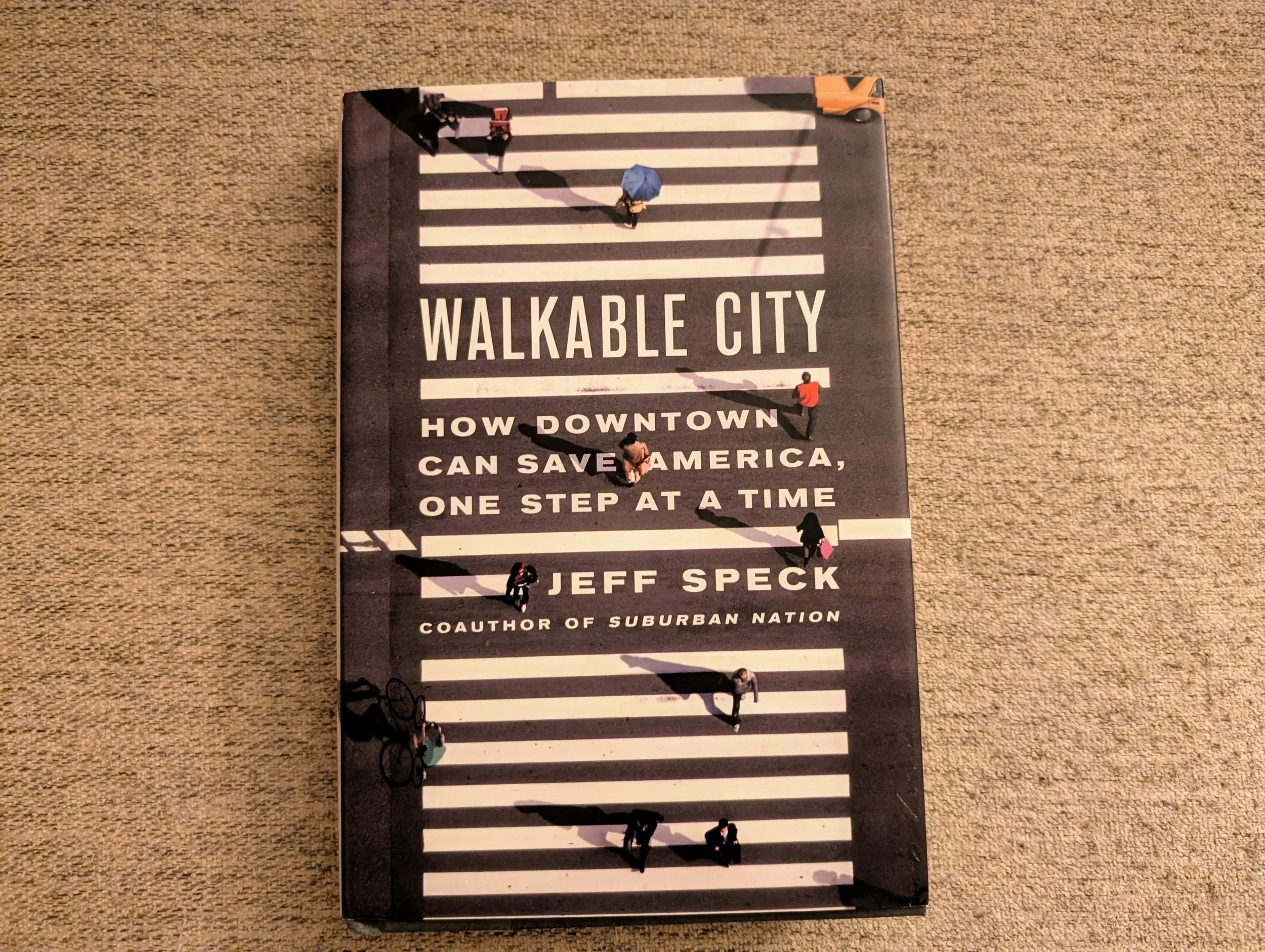
Walkable City - Jeff Speck
This is the most recent book I have read (also the oldest book on the list) and I could say that I saved the best for last, though it is such a diverse list that it is hard to say which really was the best. Still, based on my personal beliefs and even the title of my website this book was going to do well with me. It is surprising that it took me so long to read it. Walkable City really puts the pedestrian first and focuses on the fact that we as humans were meant to walk and so any city that is designed around the pedestrian will do well. While for many ‘walking first’ believers some of what Speck says is common sense, some other areas, like his opinion on public transit is perhaps a little more niche. Since this book has been out for over a decade, some of those thoughts have percolated through to the mainstream. If you have never read this great book, I highly recommend it. I enjoyed it thoroughly and have been going back to re-read specific parts.
I am hopeful I will get another article out before the actual Christmas holidays, however if I don’t, I hope that all of you enjoy whatever solstice celebration you take part in (if any!), and that you get to spend some time with friends and family!