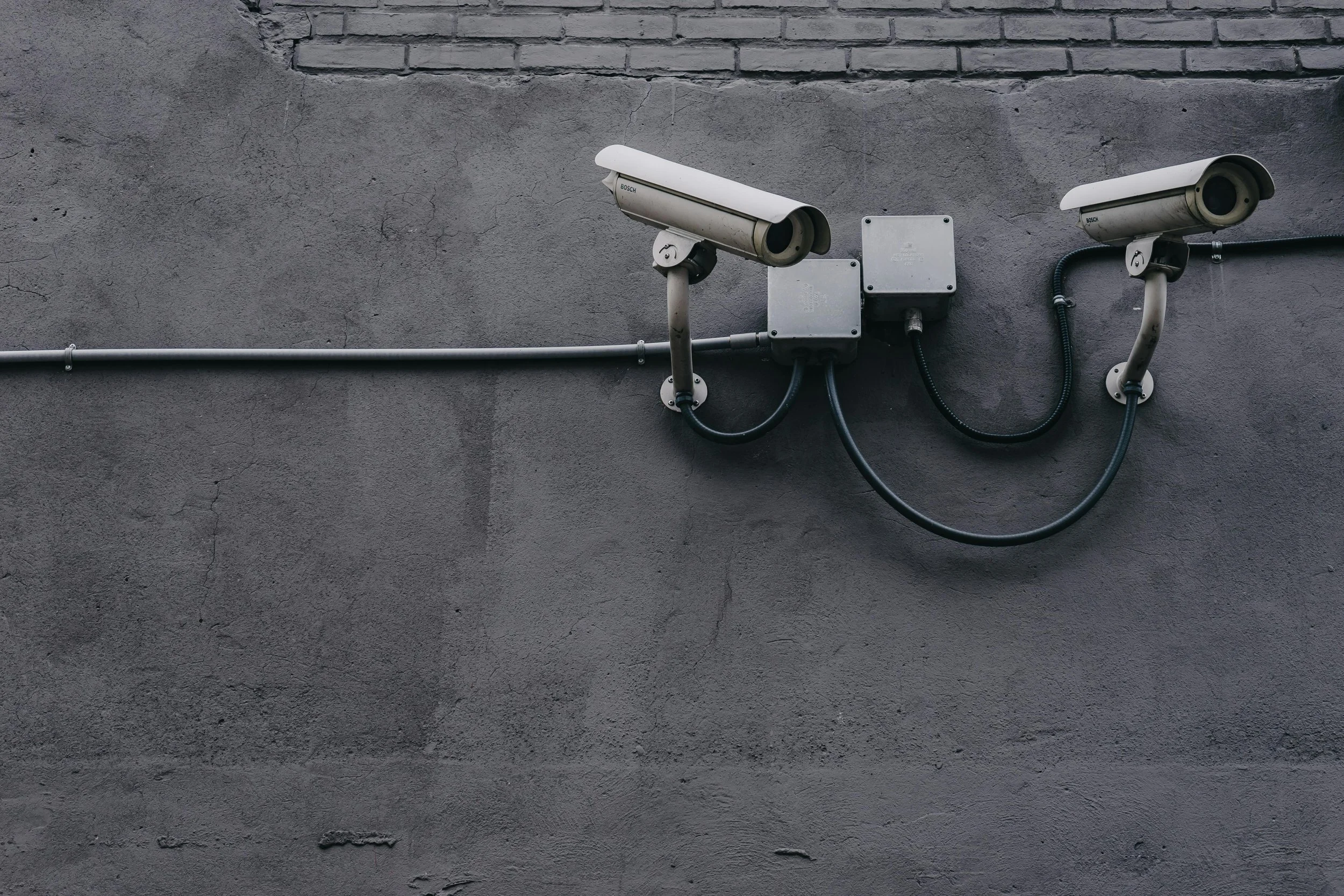
Photo by Scott Webb: Source
Cities are growing faster than ever. According to the United Nations, nearly 68% of the world’s population is expected to live in urban areas by 2050, up from about 56% today. This rapid urbanization puts enormous pressure on city planners and public safety agencies to design spaces that are not only efficient and inclusive but also safe.
In recent years, AI security monitoring has emerged as a critical tool in addressing these challenges. Rather than relying solely on patrols, static cameras, or reactive policing, cities are increasingly using AI-powered systems to understand how public spaces are used, detect risks early, and respond more effectively to incidents. This shift is changing how urban environments are planned, managed, and experienced by the people who live in them.
Image source
From Reactive Safety to Proactive Urban Design
Traditional public safety measures often focus on responding after an incident occurs. AI security monitoring changes that model by analyzing patterns over time and in real time.
Modern AI systems can process video feeds, sensor data, and historical information to identify trends such as:
Areas with repeated congestion or unsafe crowding
Public spaces where loitering or conflicts frequently occur
Intersections with higher accident risks
Times of day when certain locations become more vulnerable
Urban planners can use these insights to redesign layouts, improve lighting, adjust traffic flow, or allocate resources more effectively. Instead of guessing where problems might arise, decisions are backed by data.
Improving Public Safety in High-Traffic Areas
Busy urban areas like transit hubs, downtown corridors, and public squares present unique safety challenges. According to the U.S. Department of Transportation, over 80% of traffic-related fatalities occur in urban areas, often due to congestion, poor visibility, or unpredictable pedestrian behavior.
AI security monitoring helps cities address these risks by:
Detecting unusual crowd movement in real time
Identifying blocked pathways or unsafe behavior near transit platforms
Alerting authorities to incidents faster than manual reporting
For example, some cities use AI-powered monitoring around subway stations to detect people entering restricted zones or falling onto tracks, allowing staff to intervene within seconds.
Supporting Emergency Response and Crisis Management
Speed is one of the most important factors in public safety. Research from the National Institute of Justice shows that faster response times significantly reduce the severity of incidents, particularly in medical emergencies and violent situations.
AI security monitoring contributes by:
Automatically flagging unusual or dangerous activity
Providing real-time situational awareness to responders
Reducing reliance on delayed eyewitness reports
When systems connect alerts with live visuals and location data, emergency teams can arrive better informed and better prepared. This reduces confusion and improves coordination across agencies.
Data-Driven Decisions for Safer Public Spaces
Urban planning is no longer just about roads and buildings. It’s about how people move, gather, and interact. AI-generated insights help planners understand how spaces are actually used, not just how they were designed.
Examples include:
Identifying underused areas that feel unsafe and need redesign
Measuring the impact of new lighting or landscaping on nighttime activity
Understanding how events or seasonal changes affect crowd behavior
Cities like Singapore and Barcelona have publicly discussed using AI and smart monitoring as part of broader “smart city” initiatives to balance safety, mobility, and livability.
Balancing Safety and Privacy
One of the most important conversations around AI security monitoring is privacy. Public trust is essential. Without it, even well-designed systems can face resistance.
Many cities address this by:
Limiting monitoring to public, non-private spaces
Using anonymized data rather than personal identification
Establishing clear policies on data access and retention
Communicating openly with residents about how systems are used
When implemented responsibly, AI security monitoring can enhance safety without turning cities into places of constant surveillance.
Technology as Infrastructure, Not Enforcement
A key shift in thinking is viewing AI security monitoring as urban infrastructure, similar to streetlights or traffic signals, rather than purely as an enforcement tool.
In this context, AI systems quietly support:
Safer pedestrian movement
Better traffic management
Faster emergency response
More informed urban planning
They operate in the background, helping cities function more smoothly without disrupting daily life.
An example of how modern platforms approach this is seen in solutions like Coram, which integrate AI-driven monitoring with broader safety and operational tools. Used appropriately, systems like these illustrate how AI security monitoring can support awareness and coordination rather than constant intervention.
The Role of AI in Long-Term Urban Resilience
As climate events, population density, and infrastructure strain increase, cities need tools that help them adapt. AI security monitoring contributes to long-term resilience by:
Identifying vulnerabilities before they become crises
Supporting evacuation and emergency planning
Helping cities recover and learn after incidents
According to the World Economic Forum, cities that adopt data-driven safety and monitoring systems are better positioned to respond to complex, interconnected risks.
Looking Ahead
The role of AI in urban planning and public safety will continue to expand, but its success depends on thoughtful implementation. Technology alone cannot solve social challenges, but when combined with good policy, community engagement, and transparent governance, it becomes a powerful support system.
The future of safer cities is not about more cameras or more alerts. It’s about smarter insights, faster coordination, and designing urban spaces that help people feel secure without feeling watched.
Conclusion
AI security monitoring is reshaping how cities think about safety. By moving from reactive responses to proactive, data-informed planning, urban leaders can design environments that are safer, more efficient, and more humane.
As cities grow and challenges become more complex, AI-powered monitoring will increasingly act as quiet infrastructure, supporting public safety, guiding urban design, and helping communities thrive. The key lies in using these tools responsibly, transparently, and always with people at the center of the city.