The Ultimate Guide to Rome’s Trastevere Neighborhood
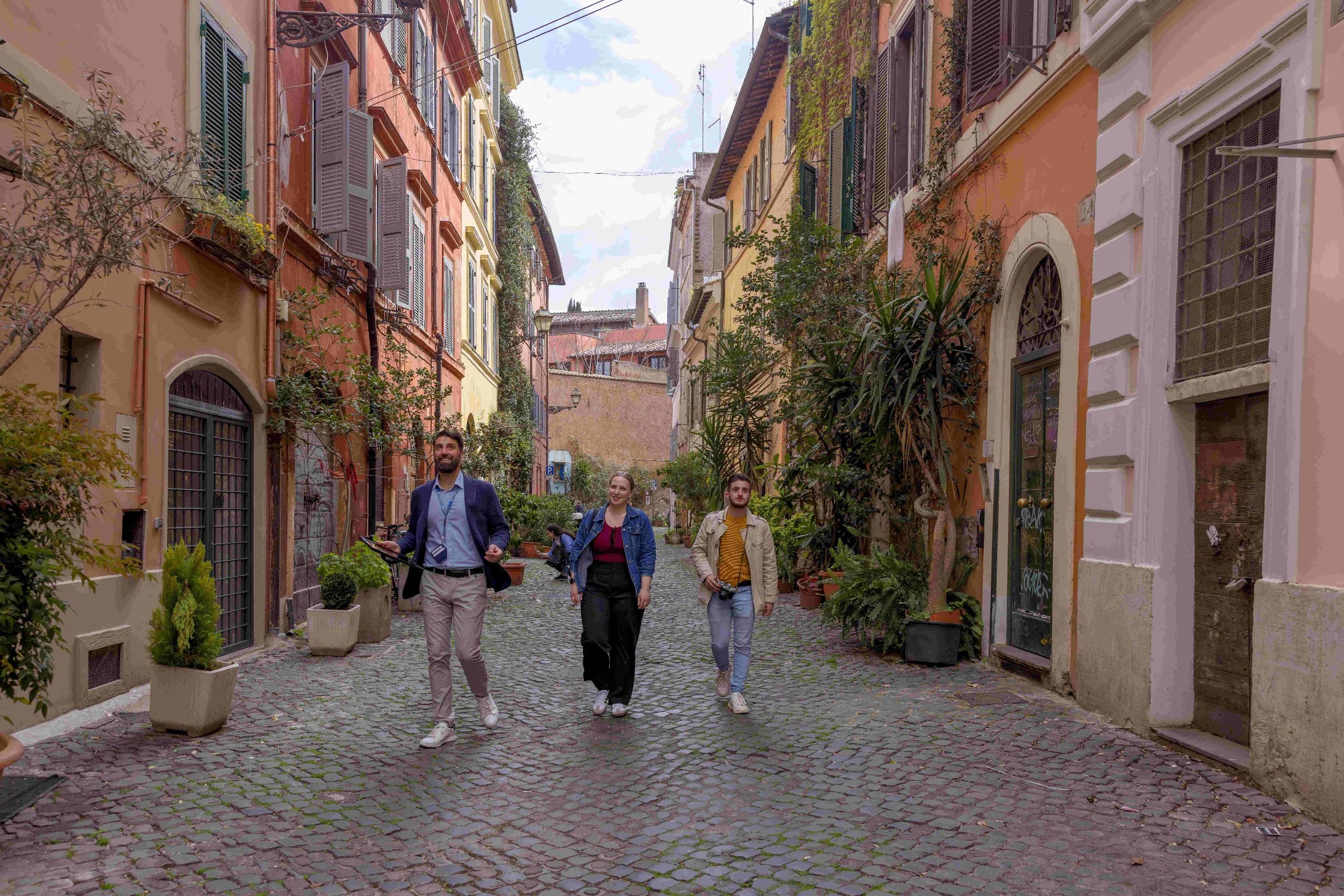
From above, Trastevere looks like a living mosaic of winding cobblestone streets, small piazzas, and centuries-old buildings packed tightly together. At street level, however, the neighborhood reveals its true character: laundry swaying between windows, the aroma of fresh pasta drifting from trattorias, and locals chatting animatedly on street corners. Trastevere is not just a place to visit, it is a place to experience, slowly and deliberately, as Romans have done for generations.
For travelers seeking a deeper connection with the city, exploring Rome through curated private experiences can make all the difference. This is where Kirba Tours stands out: it offers thoughtfully designed private tours that blend history, storytelling, and local insight. Their selection of walking tours, cultural itineraries, and neighborhood-focused experiences allows visitors to move beyond surface-level sightseeing and truly understand the soul of Rome.
Where Trastevere Fits into Rome’s Urban Tapestry
Located between the Tiber River, the Vatican, and the slopes of Gianicolo Hill, Trastevere enjoys a position that feels both central and independent. Despite being within walking distance of Rome’s historic center, it has retained a distinct identity, shaped by centuries of working-class life, religious traditions, and artistic communities.
The neighborhood is divided by Viale Trastevere, a busy artery that separates two subtly different worlds. On one side, around Piazza Santa Maria in Trastevere, students, artists, and travelers mingle among lively bars and casual eateries. On the other hand, south of the avenue, quieter streets and traditional osterie reflect a more residential, deeply Roman atmosphere.
Santa Maria in Trastevere: The Heart of the Neighborhood
No visit to Trastevere is complete without visiting the Basilica of Santa Maria in Trastevere, one of Rome's oldest churches. First established in the early centuries of Christianity, the basilica is celebrated for its luminous medieval mosaics depicting biblical scenes in rich gold tones.
The church sits at the center of Piazza Santa Maria in Trastevere, a square that acts as the neighborhood’s living room. By day, it is a meeting place for locals and visitors alike; by evening, it fills with conversation, music, and the gentle hum of Roman nightlife.
Crossing the River: Isola Tiberina and the Jewish Quarter
Just a short walk from Trastevere lies Isola Tiberina, the only island in the Tiber River. Boat-shaped and steeped in ancient history, the island has long been associated with healing and medicine. Today, it offers a scenic crossing point between Trastevere and the Jewish Quarter.
The Jewish Quarter is one of the oldest continuously inhabited Jewish communities in Europe. Walking its streets reveals layers of history, from ancient Roman ruins to Renaissance-era buildings and modern kosher restaurants. Pairing Trastevere with the Jewish Quarter creates a fascinating contrast between two neighborhoods shaped by different traditions, yet deeply interconnected.
Art and Elegance at Villa Farnesina
For a quieter cultural experience, Villa Farnesina provides a refined counterpoint to the lively streets outside. This Renaissance villa is famous for its frescoes by Raphael, particularly the celebrated cycle depicting the myth of Cupid and Psyche.
Surrounded by gardens and filled with light, the villa offers insight into the artistic ambitions of early 16th-century Rome. It is a reminder that Trastevere has long been a place not only of everyday life, but also of artistic innovation and patronage.
Everyday Life Captured at the Museo di Roma in Trastevere
Housed in a former Carmelite monastery, the Museo di Roma in Trastevere focuses on scenes of everyday Roman life from the 18th to the 20th century. Paintings, photographs, and sculptures depict festivals, trades, and domestic interiors, offering a human-scale view of the city’s past.
This museum is ideal for travelers who want context and an understanding of how ordinary Romans lived, worked, and celebrated in neighborhoods like Trastevere.
Views from Above: Gianicolo Hill
Rising above Trastevere, Gianicolo Hill rewards visitors with one of the most panoramic views in Rome. At its summit stands the Fontana dell’Acqua Paola, a monumental fountain whose cascading waters frame a breathtaking vista of domes, rooftops, and ancient ruins.
Reaching Gianicolo is a gentle climb, but the reward is worth the effort, especially at sunset when the city seems to glow in warm tones.
Why Trastevere Belongs on Every Roman Itinerary
Trastevere is not defined by a single monument or attraction. Its appeal lies in atmosphere: the interplay between history and modern life, the sense of community, and the pleasure of wandering without a fixed destination.
For travelers planning a trip to Rome, dedicating time to Trastevere offers balance. It complements the grandeur of the Colosseum and the Vatican with moments of intimacy and discovery. Whether you are sipping espresso in a small piazza, admiring medieval mosaics, or strolling along the river at dusk, Trastevere invites you to slow down and see Rome through a local lens.
Explored thoughtfully, it becomes more than a neighborhood; it becomes a memory that defines your experience of the Eternal City.