Every ride on a motorcycle in Charlotte, NC comes with a rush of freedom but also hidden dangers. One wrong move on the road can turn excitement into a serious injury. Motorcycle accidents can lead to severe injuries or even life-changing consequences because riders have far less protection than car drivers.
That’s where Charlotte, NC motorcycle accident law comes in, helping riders protect their rights. These laws help victims get the compensation they deserve for medical bills, lost wages, and emotional trauma, while attorneys guide them through tricky insurance and legal battles. More than just financial protection, they hold careless drivers accountable and promote safer roads. For every rider in Charlotte, understanding these laws isn’t just smart, it’s important for staying protected and riding with confidence.
What Role Does Charlotte Motorcycle Accident Law Play?
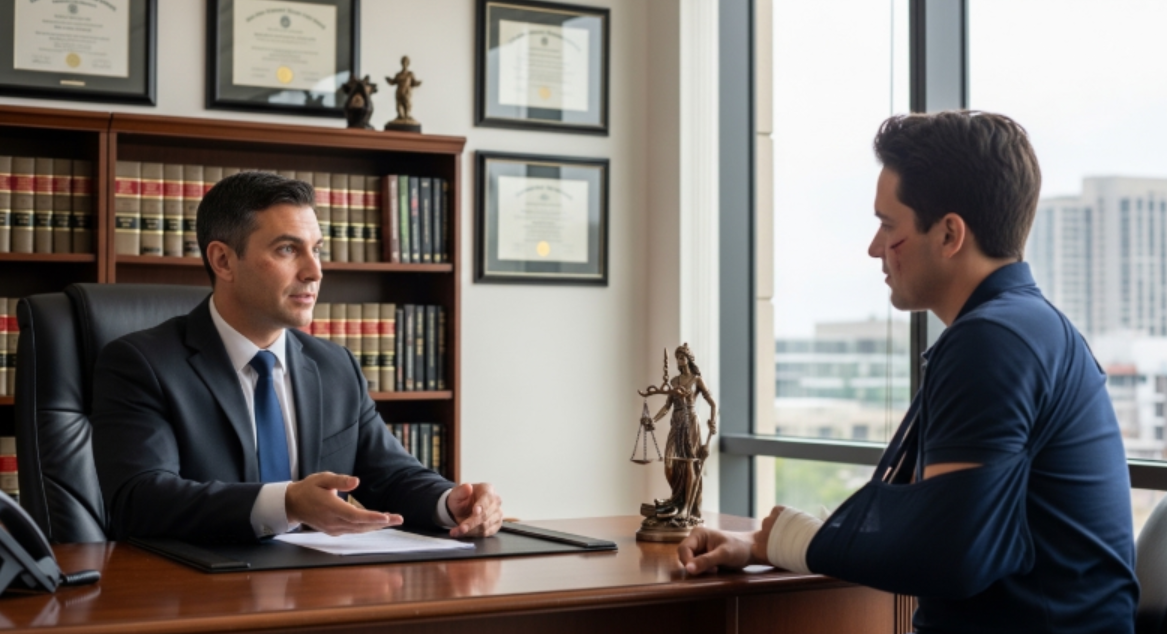
Charlotte motorcycle accident law plays a key role in protecting riders’ rights when crashes happen on local roads and highways. According to the NCDOT crash profile, there were 3,525 total motorcycle crashes in North Carolina in 2024, including 196 fatalities and 3,329 non-fatal injuries, showing how serious motorcycle accidents remain across the state. These laws help riders recover financial support for medical bills, lost wages, pain and suffering, and more when another party’s negligence causes the accident.
When you’re injured, having the right legal support matters. A Charlotte motorcycle accident lawyer backed by Stewart Law Offices, a dedicated personal injury law firm serving local riders, carefully reviews each case so that all damages from hospital bills to lost wages accurately reflect the real costs of recovery. By assessing accident-related expenses according to local market rates, riders can protect their financial compensation and have settlements that are fair and thorough.
How Do Current Charlotte Statistics Impact Safety?
Data from local government agencies shows that while some progress is being made, the streets remain risky for those on two wheels. According to the City of Charlotte 2025 Vision Zero Annual Report, total traffic crashes actually declined in fiscal year 2025, but the number of fatal and serious injury crashes rose by 9%. This trend underscores how hazards such as poor road conditions, unsafe intersections, guardrails, and construction zones continue to put motorcyclists at risk, highlighting the need for strong legal protections.
In 2025, traffic patterns shifted across the city, yet fatalities climbed to 81 and serious injuries reached 111. City leaders are responding by investing in new infrastructure and safety initiatives designed to protect everyone on the road, especially vulnerable riders.
Which Helmet Laws Apply in Charlotte for 2026?
Safety equipment is not just a suggestion in North Carolina; it is a legal requirement. All operators and passengers must wear a helmet that meets federal standards. This law is strictly enforced in Charlotte to help lower the number of head injuries seen in local emergency rooms.
“Wearing a helmet isn’t just about obeying the law; it can be the single most important factor in preventing serious head injuries during a crash,” says Marcus Spake, a Charlotte motorcycle accident lawyer.
To be legal, a helmet must have a DOT sticker and be properly secured with a chin strap. If a rider is involved in a crash and was not wearing a helmet, it can be used against them in a legal case. The law views this as a failure to take reasonable safety steps, which could impact a claim for damages.
Where Does the Law Stand on Lane Splitting?
Many riders wonder if they can move between cars during heavy Charlotte traffic to save time. However, the law is very clear on this specific maneuver. Lane splitting remains illegal across the entire state of North Carolina as of 2026.
While you cannot ride between lanes, you are allowed to share a lane with one other motorcycle. This is known as lane sharing or riding two abreast. It is important to know the difference so you do not accidentally break the law and lose your right to seek compensation if an accident happens while you are filtering through traffic.
When Must You Report a Motorcycle Wreck?
Charlotte law requires reporting accidents that cause injury, death, or significant property damage. Making a police report immediately protects your rights and preserves important evidence for any future claims. Once you are safe, it’s important to follow these steps to document the accident properly:
Call 911 right away to get medical assistance and police on the scene.
Collect names and contact info from any witnesses present.
If you’re unsure of your next steps, a motorcycle accident lawyer at Stewart Law Offices, located at 2427 Tuckaseegee Rd, Suite A, Charlotte, NC 28208 (14 minutes from North Tryon St. and University Pointe Blvd), is ready to help. Call (704) 521-5000 to set up a consultation and make sure your legal interests are protected.
How Does Local Infrastructure Improve Rider Safety?
Charlotte has been redesigning high-risk roads, called the "High Injury Network," to better protect motorcyclists and other vulnerable travelers. The city is adding streetlights at dangerous intersections, improving lane markings, and reconfiguring sharp curves so riders have more time to react and avoid crashes.
Urban corridors are seeing reduced speed limits and clearer signage to lower the severity of collisions. Combined, these upgrades help riders travel on streets more safely at night and during peak traffic, directly reducing the risk of serious injuries.

Frequently Asked Questions
How can Charlotte motorcycle accident law protect me after a crash?
It helps riders recover costs and hold negligent drivers or unsafe roads accountable.
Do I still need a lawyer if the accident was partly my fault?
Yes. Lawyers can show comparative fault, negotiate fair settlements, and protect your compensation even if you share some responsibility.
Can a lawyer help if the accident was caused by poor road conditions?
Yes. They can investigate hazards like potholes or faulty signage and pursue claims against the responsible parties to recover damages.