Reading a Street Through Its Windows: How BC's Older Neighbourhoods Are Aging Gracefully
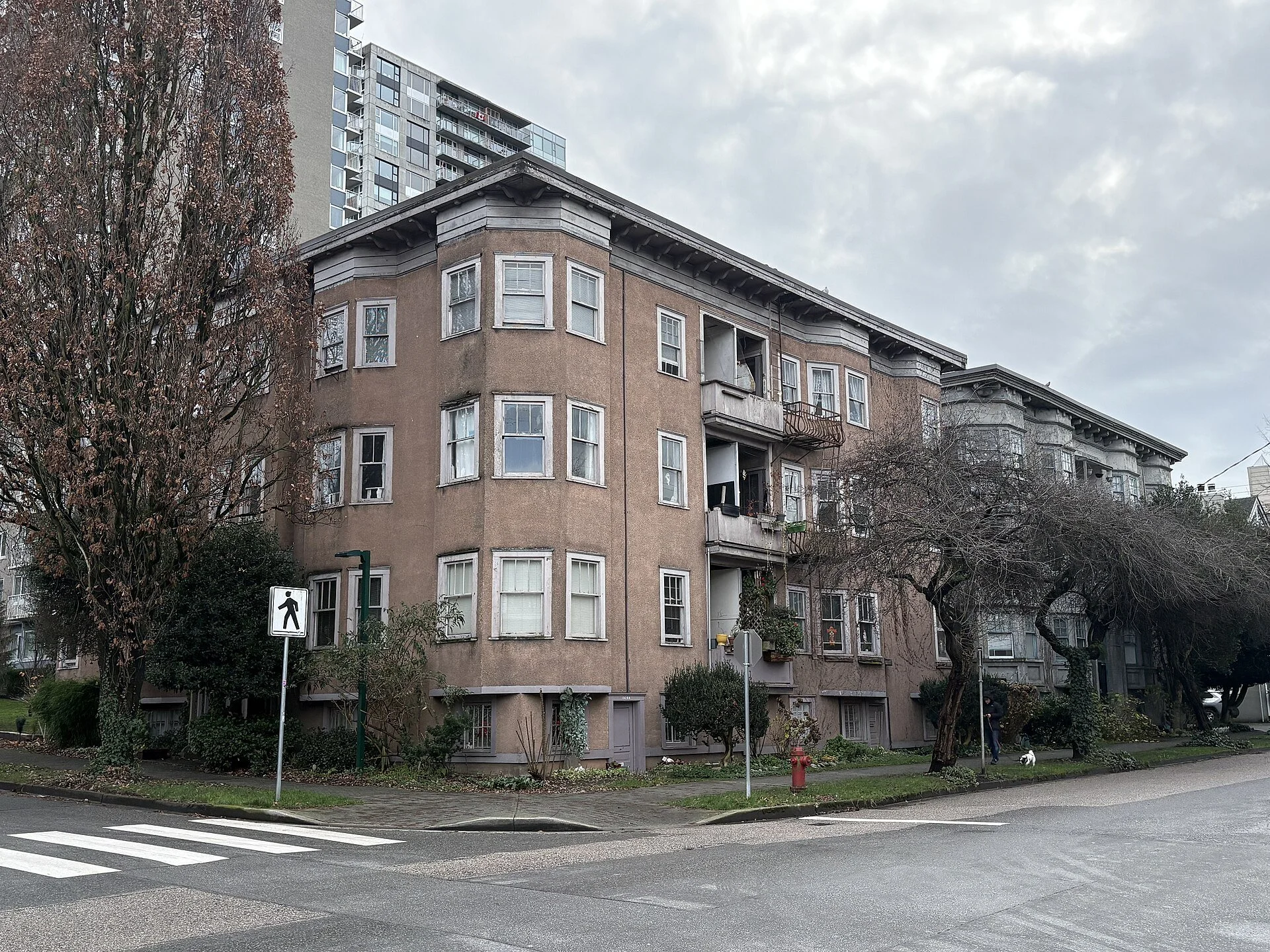
Walking through older neighbourhoods in BC cities, you can read a street's history in its windows. Here's how heritage homes are being updated without losing the character that makes them worth a stroll.
Anyone who likes to wander a city on foot eventually starts noticing windows. They are the eyes of a street. On a slow walk through an older neighbourhood in Victoria, Vancouver, Nelson or Kamloops, the windows tell you roughly when a house was built, how it has been cared for, and how its owners have balanced comfort against character over the decades.
For those of us who care about urban fabric, windows raise an interesting question: how do you update an old house for modern living without flattening the details that make the street worth walking in the first place?
A Short History Written in Glass
BC's older residential streets carry several distinct eras, and windows are one of the easiest ways to tell them apart.
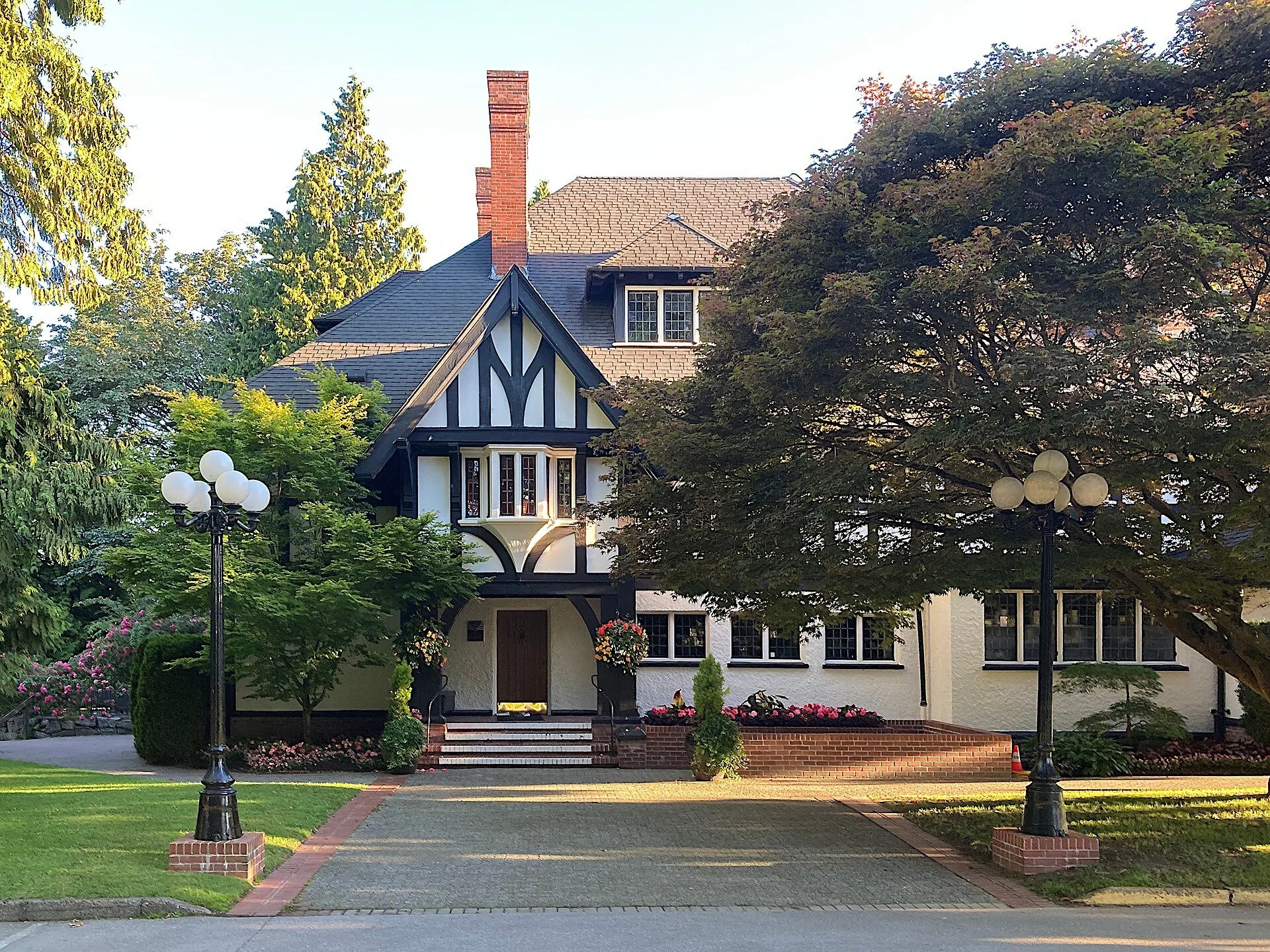
Victorian and Edwardian homes (roughly 1880s-1910s) often have tall, narrow double-hung sash windows, sometimes with decorative upper panes, set into deep wooden trim. Bay windows pushing out toward the street were a way to catch more light and show off a little.
Craftsman bungalows (1910s-1930s) favour wider openings, groups of windows set side by side, and divided upper sashes that give the facade its rhythm.
Mid-century homes (1940s-1960s) introduced large picture windows and horizontal sliders, reflecting a new interest in views and indoor-outdoor living.
Later decades brought aluminum frames and, eventually, vinyl, often installed as replacements in the older homes as well.
Walk a single block and you can often see all of these side by side, along with the replacements that owners chose along the way. Some blend in beautifully. Others stand out, like a modern slider dropped into a Victorian facade, and change how the whole house reads from the sidewalk.
Why Old Windows Get Replaced
Original windows in older homes are charming, but they were built for a different era of heating costs and comfort expectations. Single panes of glass lose a great deal of heat, wooden sashes swell and stick, and weights and pulleys wear out. In coastal cities, damp winters add rot to the list. In the interior, places like Kamloops and Kelowna see hotter summers and colder winters, and old glass struggles with both.
So owners eventually face a choice: restore, replace, or something in between.
Restore, Replicate or Rethink
From a street-level point of view, there are three broad approaches, each with its own trade-offs.
| Approach | What it means | Effect on the streetscape |
|---|---|---|
| Restore | Repair original sashes, add weatherstripping and storm windows | Preserves the original look almost exactly |
| Replicate | New energy-efficient windows that copy the original style, proportions and divided lites | Keeps the character while improving comfort |
| Rethink | Modern windows in a different style or size | Can modernize well, or can clash with the street |
Restoration is often the purist's choice and is sometimes required for designated heritage buildings, so it's worth checking local heritage rules before starting. For most older homes that aren't formally protected, though, the middle path of replicating the original style with modern glass and frames is where comfort and character meet.
Details That Make or Break the Look
The difference between a replacement that disappears into a heritage facade and one that sticks out usually comes down to a few details you can spot on any walk.
Proportions. Tall, narrow openings should stay tall and narrow. Changing the shape of the opening is the fastest way to lose a house's character.
Sash style. A double-hung look on an Edwardian house, or a casement styled to echo the original divided lights on a Craftsman, keeps the rhythm of the facade.
Divided lites. Simulated divided lites, bars applied to both sides of the glass, can recreate the look of multiple small panes without sacrificing efficiency.
Trim and depth. Keeping or rebuilding the original trim, and setting the window at a similar depth in the wall, preserves the shadow lines that give older homes their texture.
Colour. A frame colour that matches the trim instead of default bright white often makes the biggest difference of all.
Comfort Behind the Facade
The good news is that modern windows can deliver a lot of comfort inside while respecting the outside. Double or triple glazing, low-emissivity coatings and insulated frames cut heat loss dramatically, quiet street noise, and reduce condensation, all in a frame that can be styled to suit the house.
In interior BC cities, where the gap between summer highs and winter lows is widest, this matters even more. Homeowners there comparing options for window replacement kamloops projects, or in any older neighbourhood across the province, can ask for styles that suit the era of their house rather than settling for whatever is standard.
Walking With New Eyes
Next time you're out for a walk through an older part of town, try reading the windows. Notice which houses kept their original sashes, which ones found modern replacements that still feel right, and which ones lost a little of themselves along the way. It's a small detail, but streets are made of small details, and the choices homeowners make about something as ordinary as a window shape how a neighbourhood feels for everyone who walks through it.